Recycling and Sustainability for Movers Tooting
 At Movers Tooting, sustainability is built into the way we plan, load, transport, and dispose of items. Our recycling-focused removals service is designed to reduce landfill use, support local reuse networks, and keep carbon emissions lower at every stage of the move. We aim for a minimum recycling and reuse rate of 85% for suitable household and office items, measured by the proportion of materials diverted into recycling, donation, or responsible recovery streams. That target helps guide decisions on what can be separated, what can be passed on, and what should be sent to specialist facilities for processing.
Moving in and around Tooting means working with the practical realities of South London housing, mixed waste streams, and busy borough collection systems. Different boroughs in the area often encourage residents to separate dry mixed recycling, food waste, garden material, and residual rubbish into distinct containers, and we reflect that approach in our own sorting process. By aligning our work with local waste separation habits, our Movers Tooting team makes it easier for items to be directed into the correct recycling route rather than becoming contaminated and rejected.
We also focus on reusability first. Before anything is dismantled or disposed of, we assess whether furniture, appliances, books, clothing, and office equipment can be donated, repaired, or broken down into recyclable components. This approach is especially useful in homes and workplaces where people are decluttering before a move and want to reduce waste without adding complexity. The result is a more efficient Tooting recycling process that supports both environmental goals and practical moving schedules.
Local Recycling Routes and Transfer Stations
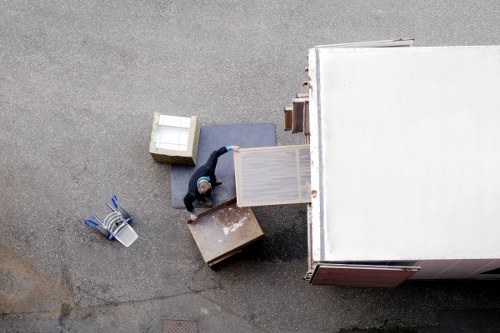 A key part of our sustainability work is making use of approved local transfer stations and recycling facilities across South West and Central London. These sites help channel waste into the correct treatment path, whether that means metals, wood, cardboard, WEEE items, or mixed construction debris. Using local transfer stations reduces unnecessary mileage and supports quicker sorting, which is important when the move includes bulky or varied materials.
For larger clearances, we separate loads before they leave the property so they can be directed to the most appropriate station. For example, cardboard and paper are kept apart from plastics and general waste, while broken shelving, wardrobes, and other timber items are isolated where possible for recovery or specialist disposal. This is consistent with the wider borough approach to waste management in London, where contamination control and careful separation improve overall recycling outcomes.
 Our team is familiar with the types of materials commonly produced during a move in Tooting, from old flat-pack furniture and packaging to kitchen items and office clutter. Rather than mixing everything together, we prepare loads to support efficient processing at local transfer stations and recycling centres. This helps reduce sorting costs, improves recovery rates, and supports a cleaner chain from collection to final treatment.
Charity Partnerships and Reuse First
We work with charity partners and community reuse organisations whenever suitable items are available for donation. Soft furnishings, usable tables and chairs, books, bric-a-brac, and other household goods may be set aside for charities that can redistribute them to families, students, and community projects. These partnerships extend the life of items that still have value and help reduce the amount that enters the waste stream during a move.
Charitable reuse is especially important in urban areas like Tooting, where many households are moving between flats, shared homes, and compact properties. Items that no longer suit one address may be ideal for another. By diverting these goods into charity channels before recycling or disposal, Movers Tooting supports a circular approach that saves resources and helps local organisations make the most of donations.
We also prioritise clear separation for specialist recycling. Small electricals, cables, lamps, batteries, and mixed tech items are collected carefully because these materials often require dedicated processing. Where possible, they are routed away from general rubbish and handled through authorised recycling or recovery partners. This extra attention helps reduce environmental impact and supports safer treatment of items that should never be placed in ordinary waste containers.
Low-Carbon Vans and Smarter Transport
 One of the biggest ways we reduce emissions is through the use of low-carbon vans and efficient route planning. Our fleet includes vehicles chosen for better fuel performance and lower emissions, with regular maintenance to keep them operating as cleanly as possible. We also plan journeys to avoid unnecessary backtracking, combine jobs where practical, and limit idling in residential streets. In a busy area like Tooting, thoughtful routing makes a meaningful difference to the carbon footprint of each move.
Our sustainability strategy is not only about the vans themselves; it is also about how they are packed and scheduled. By using space efficiently, we reduce the number of trips needed for each relocation or clearance. Fewer journeys mean less fuel consumption and lower emissions, while also cutting congestion and noise. This is particularly relevant for movers in neighbourhoods where access can be tight and road space is limited.
We continue to review vehicle performance, load optimisation, and recycling logistics so our eco-friendly removals in Tooting stay aligned with current environmental standards. As more local boroughs increase expectations around waste separation, re-use, and responsible disposal, we aim to stay ahead by combining practical moving expertise with low-emission transport and better materials recovery.
What Sustainability Looks Like in Practice
 In everyday terms, sustainability during a move means making careful decisions at each stage. It means rescuing items for donation instead of sending them straight to disposal, sorting materials so local facilities can process them properly, and using transport that keeps emissions down. It also means understanding the way London boroughs approach waste separation, so that recyclable materials are not mixed with general rubbish and rejected later in the system. These small decisions create a larger impact across many moves.
For clients who want a greener move, Movers Tooting sustainability is reflected in the full service: careful pre-sorting, use of local transfer stations, charity partnerships, and low-carbon vans. Together, these measures help support a cleaner and more responsible moving experience. Whether the job involves a single flat, a family home, or an office relocation, the aim is the same: reduce waste, improve reuse, and keep valuable materials in circulation for as long as possible.