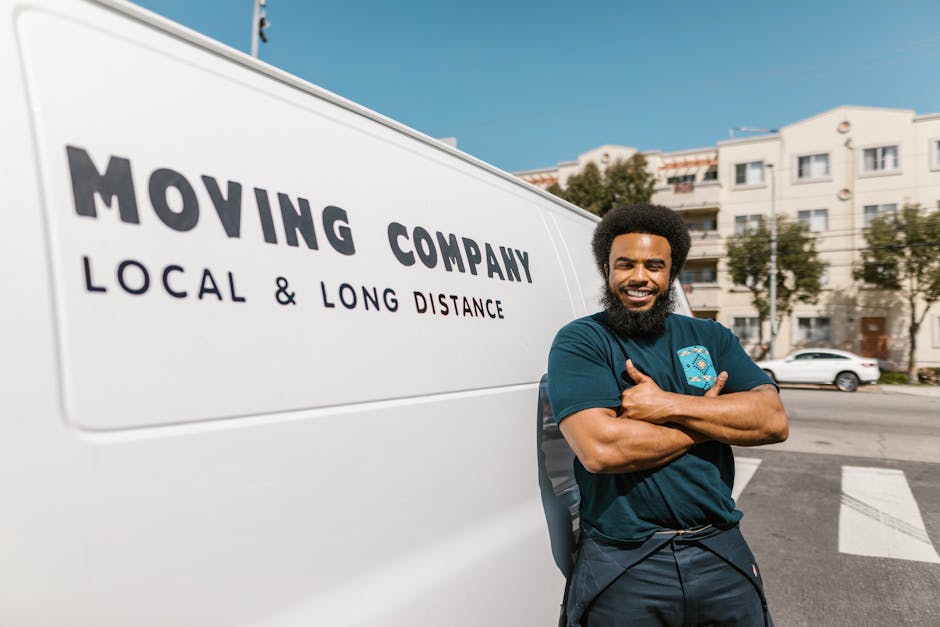
Tooting Broadway man and van local moving guide
If you are planning a move around Tooting Broadway, you probably want something simple, quick, and not wildly stressful. That is exactly where a Tooting Broadway man and van local moving guide comes in handy. Whether you are shifting a studio flat, moving a few bulky items, or trying to get from one side street to another without breaking a sweat, the right local moving approach can save time, money, and a surprising amount of hassle.
Tooting Broadway has its own rhythm: busy pavements, tight parking, flats above shops, and moving days that can feel a bit like a puzzle. Truth be told, the difference between a smooth move and a chaotic one is often not the van itself, but the planning around it. This guide walks you through what a man and van service does, when it makes sense, how to prepare, what to ask before booking, and how to avoid the little mistakes that turn a straightforward move into a long afternoon.
For readers comparing broader moving options, it can also help to understand the wider service range on offer, from man and van moving help to full removal services, and even student removals or office removals if your move has a more specific shape.
Table of Contents
- Why Tooting Broadway man and van local moving guide matters
- How Tooting Broadway man and van local moving guide works
- Key benefits and practical advantages
- Who this is for and when it makes sense
- Step-by-step guidance
- Expert tips for better results
- Common mistakes to avoid
- Tools, resources and recommendations
- Law, compliance, standards, or best practice
- Options, methods, or comparison table
- Case study or real-world example
- Practical checklist
- Conclusion
- Frequently asked questions
Why Tooting Broadway man and van local moving guide Matters
Local moves sound easy on paper. A few boxes, a mattress, maybe a wardrobe, then off you go. But Tooting Broadway is the kind of area where small details matter. Parking can be awkward, loading points can be limited, and a short journey can still become a long one if you have not planned access properly. That is why a local moving guide is useful: it helps you think through the practical side before the moving day pressure kicks in.
Another reason it matters is cost control. With a man and van, you are often paying for time, vehicle size, labour, or a combination of all three. A well-prepared move usually costs less than a poorly prepared one, even if the quote looks similar at the start. One extra trip because the van is too small? That stings. A lift that is too narrow for a wardrobe? Even worse.
This guide also matters because local moving is not just about transport. It is about sequencing. What comes out first, what gets protected, what needs dismantling, what should be kept separate, and which items are simply too awkward to "just squeeze in". Get those things right and the day feels calm. Get them wrong and, well, you end up with a kettle in the hallway and somebody trying to balance a mirror on their knee.
How Tooting Broadway man and van local moving guide Works
A man and van service is usually a flexible moving option with one or more movers and a suitable van for local transport. It is often used for smaller house moves, flat moves, furniture collection, student moves, and quick local relocations. The idea is simple: you get professional help loading, transporting, and unloading your items without needing a full-scale removal crew.
In practice, it tends to work like this:
- You request a quote with details about what needs moving, where from, where to, and when.
- The provider assesses the job size, access, and likely vehicle requirements.
- A suitable van and crew are assigned for the booked time slot.
- On moving day, the team arrives, loads safely, secures items in the vehicle, and completes the drop-off.
The key variable is always the load. A single sofa and a dining table is a different job from a one-bedroom flat with boxes, white goods, and a few awkward pieces of furniture. If you are not sure whether you need a smaller van, a larger van, or something closer to a removal van or even a moving truck, it is better to describe the items honestly than to understate the job and hope for the best.
Local movement around Tooting Broadway can also be timed around traffic, school runs, and busy shopping periods. That sounds obvious, but people forget it all the time. A move booked for early morning can be far calmer than one started mid-afternoon when the area is already humming.
Key Benefits and Practical Advantages
The biggest advantage of a local man and van service is flexibility. It is easier to book than a full removals package, and it suits moves that do not need a large team or heavy logistics. For many people, that is exactly the sweet spot.
- More affordable for smaller moves: You are not paying for more vehicle or labour than you need.
- Better for local journeys: Short hops around South West London are where this service tends to shine.
- Less wasteful: If you only have a handful of items, a smaller move makes far more sense than a large truck.
- Helpful for awkward items: Sofas, beds, desks, and cabinets are much easier with two people and the right van.
- Less physical strain: You do not have to do all the lifting yourself, which is a relief if your back has other plans.
There is also a time benefit. A local service can often be booked for a tight window, especially when you need help with a same-day or next-day move. If your situation is a bit urgent, looking at same-day removals may be a sensible move, though availability naturally depends on schedule and job size.
And then there is peace of mind. That matters more than people admit. When a mover knows how to protect corners, navigate narrow staircases, and stack items properly, your day tends to feel calmer from the first box to the last lamp.
Who This Is For and When It Makes Sense
This type of service suits a wide range of people. It is not just for students or first-time renters, although they certainly use it a lot. In Tooting Broadway, the most common scenarios often include flat moves, shared house transitions, furniture pickups, and short-distance relocations between nearby postcodes.
It makes sense if you are:
- moving from a studio or one-bedroom flat
- relocating a few bulky items rather than an entire household
- collecting a sofa, bed, or appliance
- moving in or out of a shared property
- needing help with stairs, lifts, or tight hallways
- trying to keep moving costs sensible
It may also suit people who are between homes and need temporary support. If that is your situation, combining transport with storage can make the handover less frantic. You do not need to solve the whole move in one day. Sometimes the smarter move is a staged one.
On the other hand, if you have a large family home, multiple rooms of furniture, specialist items, or a more complex timeline, a fuller service such as home moves or house removals may be more suitable. No drama there. Just choose the right tool for the job.
Step-by-Step Guidance
Here is the clearest way to plan a Tooting Broadway local move without overcomplicating it.
- List everything that needs moving. Include furniture, boxes, fragile items, plants, and anything awkward like mirrors or lamps.
- Check access at both ends. Think stairs, lifts, parking, loading bays, and whether the van can stop close enough.
- Measure the bulky items. Door frames, sofas, bed bases, wardrobes, and appliances are the usual troublemakers.
- Decide what you will pack yourself. If you want help, consider packing and boxes or full packing and unpacking services.
- Request a detailed quote. Be clear about the number of items, collection floor, drop-off floor, and whether dismantling is needed.
- Prepare a moving-day order. Put the items you need first near the front, and keep documents, chargers, medication, and valuables with you.
- Protect fragile or sentimental pieces. Wrap mirrors, glass, and electronics properly, not with one lonely tea towel and hope.
- Be ready when the vehicle arrives. The smoother the handover, the less time everyone spends carrying boxes up and down the stairs.
One small but valuable tip: create a "last off" box. Kettle, mug, phone charger, toiletries, keys, and a change of clothes. On a moving day, that box can feel like a tiny miracle at 9:30 in the evening.
Expert Tips for Better Results
A good moving day is rarely an accident. It usually comes from a few sensible decisions made in advance. Here are the practical ones that matter most.
- Overestimate awkwardness, not just volume. A small item can still be difficult if it is heavy, fragile, or an odd shape.
- Put the heaviest items low. This keeps the load stable and makes unloading safer.
- Use soft items strategically. Blankets, towels, and duvets can protect surfaces if used properly.
- Keep a clear path. Hallways cluttered with loose bits slow everyone down.
- Label boxes by room and priority. "Kitchen - first night" is much more useful than just "stuff".
- Check whether items need dismantling. Beds and larger wardrobes often do, and it is better to know before the van turns up.
To be fair, one of the best tips is also the most boring: talk clearly. Tell the mover about parking, access codes, tight corners, or anything unusual. It saves awkwardness later. And nobody likes awkwardness at 7 a.m. with a mattress blocking a hallway.
If your move is part of a larger life change, such as a flat shift or a student move, it can help to pair your transport plan with the right service page like flat removals or student removals. The more specific the service match, the better the outcome tends to be.
Common Mistakes to Avoid
A lot of moving stress comes from a few predictable mistakes. The good news is that they are easy to avoid once you know what to look for.
- Underestimating the load. Two extra chairs and a table may not sound like much, until the van is full.
- Ignoring access issues. A quote is only accurate if the provider knows about stairs, parking limits, and building restrictions.
- Leaving packing to the last minute. That is how cables get tangled, bins get mixed up, and the toaster ends up in a coat box.
- Forgetting insurance questions. Do not assume everything is covered in the same way.
- Booking without checking the service fit. A small local job may suit a man and van, but a larger move may need something broader.
Another common issue is not thinking about timing. In Tooting Broadway, a move that starts late can drift into evening traffic or overlap with building rules. A bit of schedule awareness can save a lot of annoyance. Simple, really, but easy to miss.
And yes, labels matter. A lot. One move can become ten times easier when every box says where it belongs and what is inside. People laugh at labels until they are hunting for the kettle at midnight.
Tools, Resources and Recommendations
You do not need a van full of specialist gear to make a local move go well, but a few tools and habits can help.
- Strong boxes: Use consistent, sturdy boxes rather than whatever cardboard happens to be lying around.
- Packing tape and markers: Sounds basic, yet it is the difference between organised and chaotic.
- Blankets and wrap: Good for protecting furniture edges and polished surfaces.
- Dismantling tools: Keep the right screwdriver, Allen keys, and small fixings in one bag.
- Room-by-room labels: A simple pen can save you a lot of time later.
- Booking notes: Write down access details, item sizes, and any special instructions before the day arrives.
On the service side, it can be useful to compare related moving options. For example, a smaller local job may only need a man with a van style arrangement, while a larger or more structured project may benefit from removal services or a dedicated removal truck hire approach. The best choice is the one that fits the actual move, not the one that sounds most impressive.
If you are organising a business move, you will probably want to look at commercial moves or office relocation services instead of treating it like a household shift. Offices bring their own headaches: desks, screens, documents, downtime. Different beast entirely.
Law, Compliance, Standards, or Best Practice
For local moving in the UK, the main thing to understand is that a reputable provider should operate safely, communicate clearly, and handle goods responsibly. You do not need to become a compliance expert, but a few checks are sensible.
Look for clear information about insurance and safety, because accidents can happen even on the easiest-looking move. Ask how items are protected in transit, how the team handles stairs or heavy lifting, and what happens if there is damage or delay. Good businesses will not mind these questions. In fact, they should welcome them.
It is also sensible to review booking terms before confirming anything. Pages like terms and conditions, pricing and quotes, and payment and security help set expectations. That includes what is included, what might cost extra, and how payment is handled.
For households that want a more values-led approach, there is also a broader expectation around responsible disposal and reuse. If you are getting rid of furniture, it is worth considering whether it can be reused, collected, or moved elsewhere instead of automatically becoming waste. A related page like recycling and sustainability is useful for understanding how that side of the move is handled.
One more thing: if you have a complaint or problem, a proper provider should have a transparent route for dealing with it. That is why it is worth knowing about the company's complaints procedure. It is not the cheeriest bit of planning, but it is reassuring. And reassuring matters.
Options, Methods, or Comparison Table
Choosing the right moving method depends on what you are moving, how far, and how much help you need. Here is a simple comparison that helps make the decision less fuzzy.
| Option | Best for | Strengths | Limitations |
|---|---|---|---|
| Man and van | Small to medium local moves, furniture, flat shifts | Flexible, practical, often cost-conscious | May not suit very large or highly complex moves |
| Removal van | Moves needing a bit more vehicle space | Good balance between capacity and efficiency | Still depends on access and loading time |
| Full removals | Larger homes, multi-room moves, bigger inventories | More comprehensive support and planning | Usually more involved than a simple local job |
| Storage plus transport | Staged moves, delays between properties, decluttering | Useful when dates do not line up neatly | Requires extra coordination |
If you are unsure where you fit, start by asking how much stuff you actually have after the non-negotiables are counted. People often think they have "just a few things", then realise there are three bookshelves, a bed frame, four suitcases, and a suspiciously large kettle collection. Happens more than you would think.
Case Study or Real-World Example
Imagine a person moving from a first-floor flat near Tooting Broadway to another local address a short drive away. They have a double bed, a small sofa, two desks, a dining table, and around a dozen boxes. Nothing outrageous, but enough to need proper lifting and a vehicle that can take the lot in one go.
They start by listing the furniture, checking whether the bed needs dismantling, and asking about access at both properties. The old flat has a narrow stairwell and limited parking, while the new one has a lift but a tight loading area. That information changes the job plan straight away.
The mover recommends a service that fits the load rather than an oversized vehicle. The client packs their own books and kitchenware, wraps the mirror carefully, and keeps essentials in a separate bag. On moving day, the team arrives with enough time to work safely, loads the furniture first, stacks the boxes around it, and completes the move without multiple trips.
The result? Less back-and-forth, less waiting around, and fewer surprises. Not magical, just well planned. That is usually the secret, if there is one.
For a larger or more heavily furnished property, that same move might have needed house removalists or a broader home moves service. Matching the job to the service saves time and usually keeps everyone in better humour.
Practical Checklist
Use this checklist the day before your move. It is simple, but it works.
- Confirm booking time and access details.
- Check parking arrangements near both properties.
- Measure large furniture and doorways.
- Pack fragile items securely.
- Label all boxes by room.
- Keep important documents and valuables with you.
- Dismantle furniture if needed, and keep fixings in one labelled bag.
- Clear hallways and entrance paths.
- Set aside cleaning items for the final sweep.
- Prepare water, snacks, and a charger. Small things, big difference.
Expert summary: The best local move is not the one with the fanciest vehicle. It is the one with enough space, enough planning, and enough honesty about what needs to be moved.
Get a free quote today and see how much you can save.
Conclusion
A Tooting Broadway local move should feel manageable, not overwhelming. If you plan the access, pack with intention, and choose the right kind of help, the whole process becomes much easier. A man and van service is often the sweet spot for smaller local moves because it keeps things practical without turning the day into a huge production.
The real win is simple: less stress, less wasted time, and fewer surprises when the van door closes. Whether you are moving a single sofa, a flat's worth of belongings, or a small mix of furniture and boxes, the right preparation makes all the difference. And honestly, that calm feeling when the last box is in place? Worth it.
Take the move one step at a time, keep the details clear, and do not be afraid to ask sensible questions before booking. The smoother the planning, the smoother the day. Simple as that.
Frequently Asked Questions
What is a man and van service in Tooting Broadway?
It is a flexible local moving service that usually includes a van plus one or more movers to load, transport, and unload items. It is commonly used for flat moves, furniture collection, and small household relocations.
Is a man and van cheaper than a full removals service?
Often, yes, for smaller moves. If you only have a limited load, a man and van can be more cost-effective than a larger removals setup. For bigger properties, though, a fuller service may be better value overall.
How do I know what size van I need?
Start by listing your furniture and number of boxes, then think about access and whether anything must be dismantled. If you are unsure, describe the items clearly and ask the mover for advice rather than guessing.
Can a man and van help with stairs and heavy items?
Yes, that is one of the main reasons people book it. Just be upfront about stair access, lift availability, and particularly heavy pieces so the right crew and vehicle can be arranged.
Do I need to pack everything myself?
Not always. Many people pack their own boxes but ask for help with lifting and transport. If you want extra support, packing and unpacking services can save a lot of time and effort.
What items are hardest to move locally?
Large wardrobes, sofas, beds, mirrors, and appliances are usually the trickiest. They may not weigh the most, but they are often awkward to carry through narrow spaces or down tight stairwells.
How far in advance should I book?
For a straightforward local move, a few days in advance is often sensible. If you need a specific time, are moving at a busy period, or need same-day help, book earlier if possible.
What should I check before accepting a quote?
Check what is included, how access has been factored in, whether there are extra charges, and how payment works. It is also wise to review pricing and quotes alongside the company's booking terms.
Is insurance important for a local move?
Yes. Even short local moves involve lifting, carrying, and transit, so it is sensible to understand the provider's cover and safety approach. The insurance and safety information should answer the basics clearly.
What if my move date changes?
Tell the mover as soon as you know. Good communication matters. The sooner you update them, the easier it is to rearrange the vehicle and crew without extra fuss.
Can a man and van service handle business moves too?
Yes, for smaller commercial jobs it can be a practical choice. For larger offices or more structured relocations, it is worth looking at commercial moves or office relocation services.
What is the best way to make moving day less stressful?
Pack early, label everything, keep access clear, and be honest about what needs moving. That combination solves more problems than most people expect. A calm moving day usually starts the night before.